ABOUT EASTERHILL ENTERTAINMENT

A Vision For Creative And Authentic Storytelling In Film And Stage

 Mission: “Our goal is to decrease mental health stigma and help to present realistic representations of mental illness in media broadly”

EasterHill Entertainment, L.L.C, is creative organization founded by Rodgers Wilson, M.D., M.F.A. The organization strives from psychological authenticity in film and in scripting. We believe film, stage, and the small screen have an obligation to demonstrate mental illness in a realistic and non-stigmatizing manner.

EasterHill has the ability to provide consultation to film makers, writers and production companies. We have defined and limited our lanes to deliver credible and realistic consultations to our clients. We are housed in Mesa, Arizona with consultation capabilities nationally.

About The Founder

Rodgers practiced psychiatry for thirty-six years with a focus on transcultural psychiatry, adult, adolescent, administrative, and forensic psychiatry. He has used film in teaching medical students and resident psychiatrists about stigma, personality development, and boundaries in clinical practice.  He believes that realistic storytelling can educate the public and increase treatment engagement in those who suffer from mental illnesses.

Professionally, Dr. Wilson has received the American Psychiatric Association Public Service Award and the Arizona Psychiatric Society’s Mental Health Public Service Award.

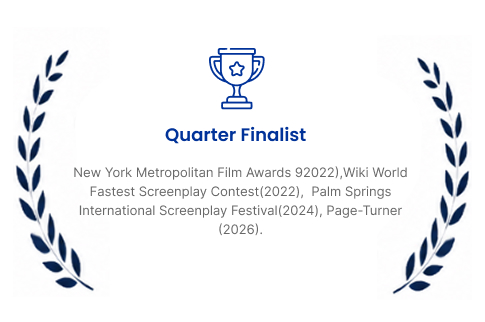
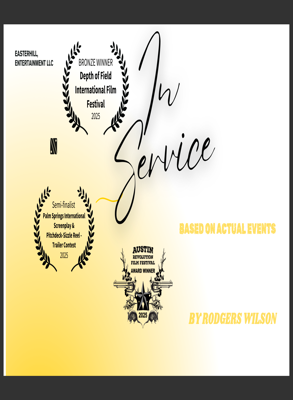
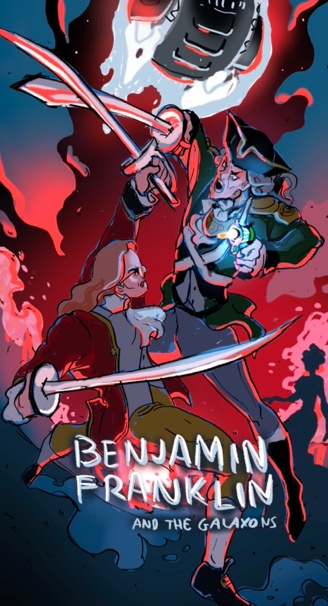
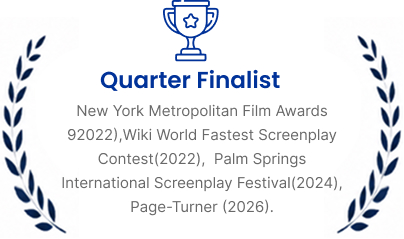
Rodgers’ late mother was an amateur playwright which inspired his writing journey. He studied production at UCLA’s School of Theatre, and stage play development at the Playwrights’ Center. He completed his Master of Fine Arts at National University in professional screenwriting. He has been a finalists and winner in several highly respected competitions.  The writer is presently represented by a literary talent agency.

Our Services

Stigma: What is it?

Coming in 2027, EasterHill Entertainment will launch mental health consultation to filmmakers, writers, directors, production companies, and other creators.

Story Development: The big screen, small screen or the stage can be a point of engagement or point of withdrawal from mental assistance or services.

Verbal storytelling and writing stories are triggered by an idea, an event, an emotion, and a person’s present and past histories. Stories touch our soul. Media can potentially have a powerful effect on the listener or the watcher.  Realistic and accurate portrayals and evidenced based representations of mental illnesses are our imperatives.   Portraying mental illness and its treatment in entertainment media requires special attention. The improper portrayal can possibly affect the individual needing services since general media or entertainment media maybe the point of first contact instead of a medical or psychological provider’s office.

Based on figures from National Alliance for Mental Illness (2023):

  • 57% of people who sought mental health or substance use (MH/SUD) care were unable to access any care on at least one occasion between January 2019 and April 2022.
  • Nearly 70% of adolescents seeking MH/SUD care did not receive any care on at least one occasion during the time period, compared to only 20% for physical health care.
  • 39% of people with employer-sponsored health insurance reported using at least one out-of-network provider for MH/SUD outpatient care, compared to just 15% for physical health care.
  • Some people found in-patient care, but it wasn’t easy. Two in five individuals who successfully made an appointment with a new in-network MH/SUD provider had to contact four or more providers before securing an appointment

More information: (https://www.nami.org/nami-news/new-report-shows-remarkable-lack-of-access-to-mental-health-care/)

Seeking help can be a stigmatizing experience. A negative perception of seeking help may have detrimental effects on the person and the family in certain situations.

What is stigma?

“People experience feelings of stigma when another person mistreats them or thinks badly about them because of a behavior, characteristic, or trait. Stigma, whether caused by bias, purposeful exclusion, or a lack of understanding about the causes for a personal struggle, is harmful.”

KEY POINTS from the CDC:

  • Stigma refers to negative attitudes, beliefs, and stereotypes people may hold towards those who experience mental health conditions.
  • Stigma can prevent or delay people from seeking care or cause them to discontinue treatment.
  • We can all play a part in helping to reduce mental health stigma.

For more information from the CDC: https://www.cdc.gov/stop-overdose/stigma-reduction/index.html

Story Development: The big screen, small screen or the stage can be a point of engagement or point of withdrawal from mental health assistance or services.

Coming in 2027, EasterHill Entertainment will offer writers’ consultation to media projects and scripting tailored for filmmakers, writers, directors, production companies, and other creators.

Story Development: The big screen, small screen or the stage can be a point of engagement or point of withdrawal from mental assistance or services.

Verbal storytelling and writing stories are triggered by an idea, an event, an emotion, and a person’s present and past histories. Stories touch our soul. Media can potentially have a powerful effect on the listener or the watcher.  Realistic and accurate portrayals and evidenced based representations of mental illnesses are our imperatives.   Portraying mental illness and its treatment in entertainment media requires special attention. The improper portrayal can possibly affect the individual needing services since general media or entertainment media maybe the point of first contact instead of a medical or psychological provider’s office.

Based on figures from National Alliance for Mental Illness (2023):

  • 57% of people who sought mental health or substance use (MH/SUD) care were unable to access any care on at least one occasion between January 2019 and April 2022.
  • Nearly 70% of adolescents seeking MH/SUD care did not receive any care on at least one occasion during the time period, compared to only 20% for physical health care.
  • 39% of people with employer-sponsored health insurance reported using at least one out-of-network provider for MH/SUD outpatient care, compared to just 15% for physical health care.
  • Some people found in-patient care, but it wasn’t easy. Two in five individuals who successfully made an appointment with a new in-network MH/SUD provider had to contact four or more providers before securing an appointment

More information: (https://www.nami.org/nami-news/new-report-shows-remarkable-lack-of-access-to-mental-health-care/)

Seeking help can be a stigmatizing experience. A negative perception of seeking help may have detrimental effects on the person and the family in certain situations.

What is stigma?

“People experience feelings of stigma when another person mistreats them or thinks badly about them because of a behavior, characteristic, or trait. Stigma, whether caused by bias, purposeful exclusion, or a lack of understanding about the causes for a personal struggle, is harmful.”

KEY POINTS from the CDC:

  • Stigma refers to negative attitudes, beliefs, and stereotypes people may hold towards those who experience mental health conditions.
  • Stigma can prevent or delay people from seeking care or cause them to discontinue treatment.
  • We can all play a part in helping to reduce mental health stigma.

For more information from the CDC: https://www.cdc.gov/stop-overdose/stigma-reduction/index.html
Production

EHE provides psychological and psychiatric consultation to writers,film makers, and production companies. Developing content with EHE does not mean you are developing content for EHE. Please do not ask EHE to review additional materials, revised or alternate material outside of the agreeable upon content. Keep all conversations focused on the agreed upon content. Please do not contact an EHE reviewer outside of the agreed upon appointment or outside of the EHE platform. Our goal is provide useful and constructive reviews to our clients with a focus on mental

Our Books

Discover Our Exclusive Books

At EasterHill Entertainment, we provide scripting consultation and literary works to customers developed by us.

Our Books

Discover Our Exclusive Books

At EasterHill Entertainment, we provide scripting consultation and literary works to customers developed by us.

Featured Products

Discover Our Exclusive Offerings

At EasterHill Entertainment, we provide consultation and literary works to customers developed by us. 

Gallery

Explore Our Creative Journey

A Collection of Our Written Cinematic Works, Art, and Behind-the-Scenes Moments

Achievements

Achievements

Please Review The Below If You Are Seeking To Purchase Easterhill Materials Or Consulative Services. Attestation Required.

Fees and Prices will be provided on request. Some services may require 5-6 weeks for review. Due to volume, Easterhill may delay or deny requested services.

Let’s Create Something Great Together

Have a project in mind or want to learn more about our services. We’d love to hear from you.

Can You Bill A Credit Card Link Within? If The Person Doesn’t Attest To Any Of The Above, Payment Will Halt. They Will Be Referred Back To Review And Check Attestation Box. Consultation Services require payment in full prior to the review of submitted materials.
Contact Form

By using this website, you agree to the Terms of Service, Data Use and Protection Policy, and Privacy Policy. Please see the EasterHill Policies section for further details.

Get in Touch

Email

help@easterhillentertainment.com

Phone

+1 (213) 521-9447

Location

Mesa, Arizona USA Business Hours

USA Business Hour

Monday – Friday 9:00 AM – 5:00 PM (PST)

Terms Of Agreement:

Code Of Conduct

EHE provides psychological and psychiatric consultation to writers, film makers, and production companies. Please note: developing content with EHE does not mean you are developing content for EHE. Please do not ask EHE to review additional materials, revised or alternate material outside of the agreeable upon content. Keep all conversations focused on  the agreed upon content. Please do not contact an EHE reviewer outside of the agreed upon appointment or outside of the EHE platform. Our goal is provide useful and constructive reviews to our clients with a focus on mental health content within a script. EHE strives to keep conversations professional and polite, and we expect the same from our clients. Deviation from the code of conduct may result in termination of the consultative relationship.

EasterHill Entertainment, L.L.C.

EHE is a content developer and provides scripting consultation related to behavioral health, psychology and psychiatry. It is in no way a talent agency or a business in talent management. We do not procure employment, manage or purchase materials. We make no representation that writers will find representation or management as a result of consultation. EHE is not responsible for the failure of a writer to sell or to option materials under consultation.